Patrizia and her husband are agronomists. Patrizia is the owner and proprietor of Agriturismo Arvalia, a magnificent haven for those with a refined pallet. Vegetables and produce of the most delicious variety can be found in abundance. Patrizia's husband Andrei is the current leader of the Italian Organic Farmer's Association.
While visiting the Agriturismo, Andrei was kind enough to explain to myself and company about the current food policy conditions worldwide. This laid the foundation for understanding the need for more fully organic farms within Italy and the world, and more agriturismos. What follows is some of the background information he gave us.

Andrei is the gentleman on the left.*
Following World War II, there was a major paradigm shift in the way many countries, especially in Africa acquired their food. Countries that had been dependent on various staple foods, now became dependent on foods like broken rice that were being imported to their countries by the international community. This led to a drastic overhaul as farmers shifted their production to accommodate the market presence of these goods, leading countries to dependency on this international market.
La Via Campecina was founded in 1992 to bring together farmers from local and medium size producers, indigenous communities, rural women, and agricultural workers the world over, but those south of the equator in particular, according to Andrei. This group of 148 organizations coined the term "food sovereignty," the right to produce food in one's own territory, a direct contrast with reliance on international markets. In this way, farmers and those most associated with agriculture could band together and fight for their right to produce and eat their own food!
With 1.4 billion farmers/peasants worldwide, having a representative organization really means something.

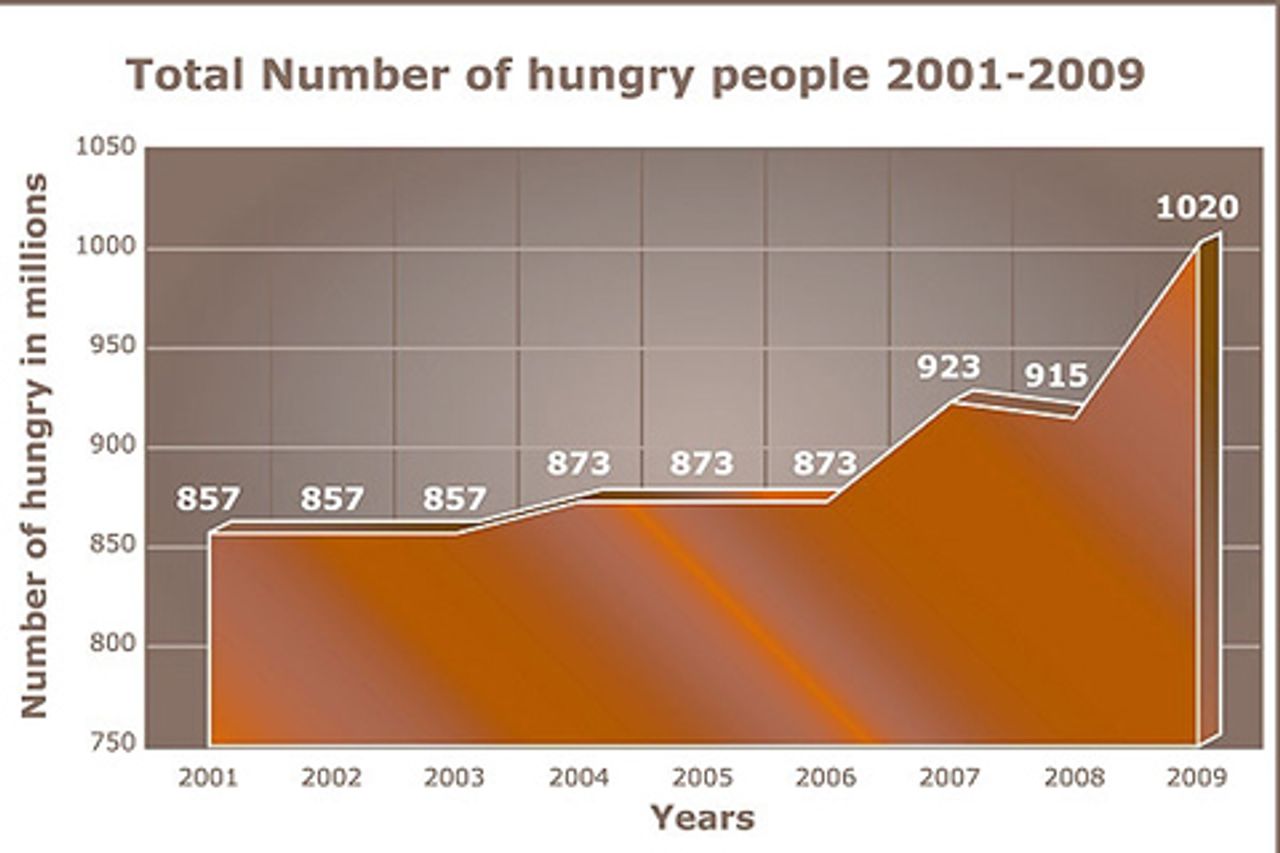
In 1996, the Millennium Development Goals were created, among them to halve the number of hungry people worldwide by 2015. Instead, this number has only increased through 2010 to over one billion people. Although, many UN member nations agreed to adopt the MDGs, less heads of state attended the World Food Summit in 2002, following failed progress at achieving this goal. Previously, climate change and emissions had been the chief issues on the table, but now hunger was coming to the fore, especially in terms of increasing agricultural production worldwide.
As a note:
Funding for Farming Subsidies Worldwide:
45 Billion Euro to subsidize European farming
20 Billion Dollars to subsidize farming in the U.S.
1 Billion allocated by the International Monetary Fund to subsidize farming in the rest of the world
*Please note, all photos in Posts 1-6 are courtesy of Dwight.


No comments:
Post a Comment